Septoplasty

Improving Nasal Breathing by Correcting a Deviated Septum

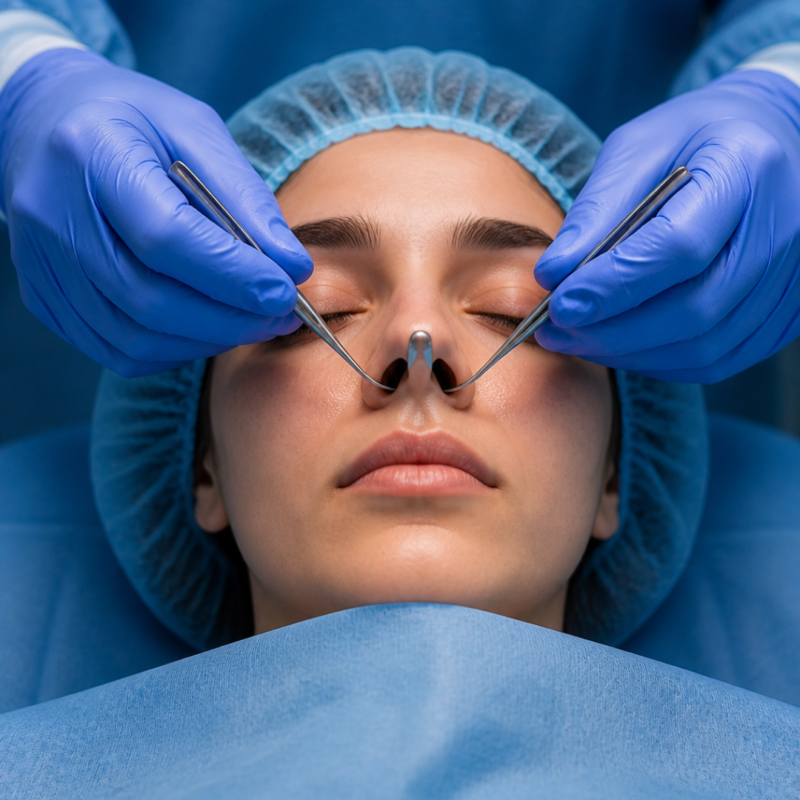
Septoplasty — Septoplasty is a surgical procedure focused entirely on improving nasal breathing. It corrects a deviated nasal septum — the internal wall that divides the nose into left and right — which, when bent or displaced, restricts airflow and makes breathing through one or both sides of the nose difficult.

The procedure is performed entirely inside the nose and leaves no visible external scars. Recovery is generally straightforward, and most patients notice a meaningful improvement in their breathing within a few weeks.

Septoplasty is often combined with rhinoplasty or sinus surgery when required and can in many cases be NHS-funded if there is a clear clinical indication for improved nasal function.

Septoplasty
Specialist

Rhinoplasty Care

Conditions / Symptoms Conditions / Symptoms

Common Concerns We Address

Many patients come to us struggling with chronic nasal blockage, often caused by a deviated septum. This condition can make everyday breathing difficult and may lead to:

Open vs. Closed Rhinoplasty — Which Is Used?

Open Rhinoplasty

(Mr Ranganathan's Preferred Approach — 80%+ of cases)

  • A small incision across the columella (the skin strip between the nostrils)
  • Full exposure of the nasal framework for precise modification
  • Ideal for complex cases, significant reshaping, or revision surgery
  • Scar is tiny, well-hidden, and fades significantly over 6–12 months

Closed Rhinoplasty

(Selected Cases)

  • All incisions placed inside the nostrils — no visible external scar
  • Suitable for minor to moderate reshaping with limited structural change
  • Slightly faster initial recovery and less early swelling
  • Limited access compared to open technique
Mr Ranganathan will recommend the most appropriate technique for your individual anatomy and goals at consultation.

Frequently Asked Questions

The most common signs are persistent difficulty breathing through one or both nostrils, nasal congestion that does not respond to medication, recurring nosebleeds, chronic sinus infections, or significant snoring. A clinical examination by Mr Ranganathan will confirm whether a deviated septum is causing your symptoms.

Septoplasty alone is a purely internal procedure — it does not change the external appearance of your nose. All incisions are made inside the nostrils. If you would also like a cosmetic improvement, this can be combined in a septo-rhinoplasty procedure, which Mr Ranganathan can discuss with you.

Septoplasty for clinically significant nasal obstruction may be available on the NHS, subject to referral from your GP and assessment criteria. Mr Ranganathan also performs septoplasty privately. He will advise you on the most appropriate route during consultation.

Most patients notice a clear improvement in airflow within 2–4 weeks, as post-operative swelling settles. The full benefit is usually apparent by 3–4 months.

Yes. Septoplasty is frequently combined with rhinoplasty (septo-rhinoplasty) for patients who also have cosmetic concerns, or with functional endoscopic sinus surgery (FESS) for patients with co-existing sinus disease. Mr Ranganathan will assess your case holistically and recommend the most appropriate combination of procedures.

Most patients take 7–10 days off work. Physical exertion and exercise should be avoided for 2 weeks. Blowing the nose should be done very gently for several weeks. Full internal healing takes several months, although the improvement in breathing is usually apparent well before this.

Appointment Appointment

Make an Appointment Now!

From satisfied customers to loyal supporters, our community 

voices share.


    Call Center

    1-800-555-500